
Anma Arora CSULB: A Rising Star in Molecular Biology Research
The journey of a undergraduate researcher often begins with a single question, a moment of curiosity that transforms into a lifelong pursuit of knowledge. At California State University, Long Beach, students like Anma Arora are proving that meaningful scientific discovery isn’t reserved for graduate students and postdoctoral fellows. Through dedicated mentorship, rigorous coursework, and hands-on laboratory experience, Anma Arora CSULB represents the very best of what undergraduate STEM education can achieve. From presenting research at the CNSM Student Research Symposium to serving as a tutor in the ASCEND program, her path illustrates how CSULB cultivates the next generation of scientists.
The Academic Landscape at California State University, Long Beach
CSULB stands as one of the most respected public universities in California, offering comprehensive programs across the natural sciences, mathematics, and engineering. The College of Natural Sciences and Mathematics (CNSM) provides undergraduate students with unparalleled access to research opportunities, state-of-the-art laboratory facilities, and faculty mentors who are leaders in their respective fields. For students pursuing degrees in molecular biology, biochemistry, and related disciplines, CSULB offers a rigorous curriculum that balances theoretical knowledge with practical application.
The university’s commitment to undergraduate research is evident in its numerous support programs, symposiums, and funding opportunities. Students can engage in faculty-led projects, present their findings at campus-wide events, and even secure scholarships to support their academic and research expenses. This ecosystem of support makes CSULB an ideal environment for aspiring scientists to develop their skills and build meaningful careers in STEM fields.
Understanding the Molecular Cell Biology and Physiology Program
The Molecular Cell Biology and Physiology option within the B.S. in Biology program at CSULB represents one of the most demanding and rewarding academic pathways available to undergraduate students. This specialization delves deep into the molecular mechanisms that govern cellular function, exploring everything from gene expression and protein synthesis to signal transduction and metabolic regulation. Students in this program learn to think like scientists, developing hypotheses, designing experiments, and interpreting complex data sets.
For a student like Anma Arora CSULB, this program provides the foundational knowledge necessary to tackle sophisticated research questions. The curriculum covers essential topics including cell structure and function, molecular genetics, biochemistry, and physiology, ensuring that graduates are well-prepared for graduate studies, medical school, or careers in biotechnology and pharmaceutical research. The program’s emphasis on critical thinking and problem-solving skills is particularly valuable for students who aspire to contribute to cutting-edge scientific discoveries.

The ASCEND Program: Building STEM Success at CSULB
The ASCEND program at CSULB plays a pivotal role in supporting STEM students from diverse backgrounds, helping them overcome barriers to academic success and career attainment. ASCEND offers scholarships, academic support, tutoring, mentoring, and research opportunities designed to increase access, affordability, and completion rates among science, technology, engineering, and mathematics students. The program’s near-peer tutoring and mentoring model creates a supportive community where students can learn from one another while receiving guidance from more experienced peers.
Anma Arora CSULB has actively participated in the ASCEND program as an undergraduate student assistant, serving as a science and math tutor alongside other dedicated students. This role demonstrates not only academic excellence but also a commitment to helping fellow students succeed. By sharing knowledge and providing academic support, Anma Arora CSULB embodies the collaborative spirit that makes the ASCEND program so effective. The program’s emphasis on eliminating barriers related to gender, race, national origin, disability, and age ensures that all students have equitable access to STEM education and career opportunities.
The CNSM Student Research Symposium: A Showcase of Excellence
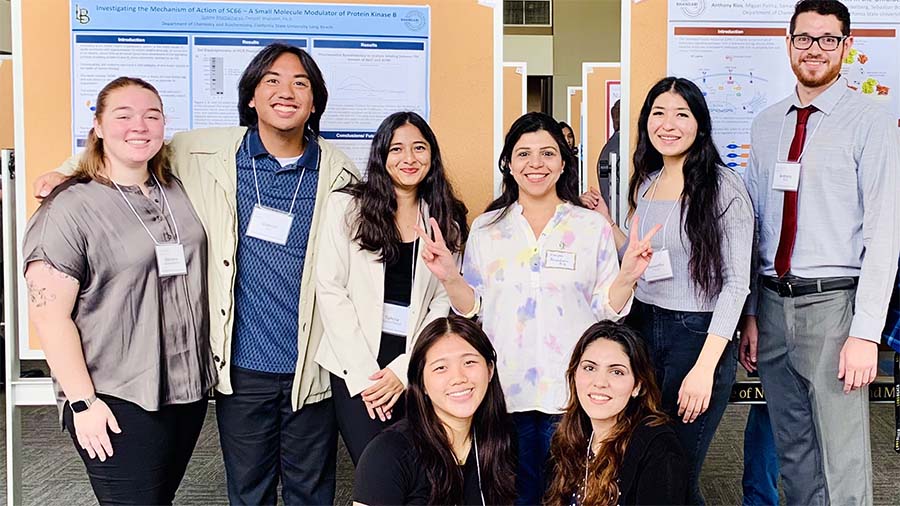
The CNSM Student Research Symposium represents one of the most anticipated events on the CSULB academic calendar, providing undergraduate and graduate students with a platform to present their research findings to the university community. Held in the University Student Union, this event brings together students, faculty, staff, and community members to celebrate scientific discovery and share ideas across disciplines. Students write abstracts, produce posters, and present their work, gaining valuable experience in scientific communication and professional development.
Anma Arora CSULB was among the presenters at the 2024 CNSM Student Research Symposium, showcasing research conducted under the mentorship of Dr. Deepali Bhandari. Her abstract, numbered 50 in the symposium program, focused on the role of Cyclin Dependent Kinase 5 in insulin-mediated glucose transporter translocation. This research explores fundamental mechanisms of cellular metabolism and insulin signaling, topics with significant implications for understanding diabetes and metabolic disorders. Presenting at the symposium allowed Anma Arora CSULB to receive feedback from faculty members and fellow students, refining her research skills and building confidence as a scientist.
Faculty Mentorship: The Role of Dr. Deepali Bhandari
Behind every successful undergraduate researcher stands a dedicated faculty mentor who provides guidance, resources, and encouragement. For Anma Arora CSULB, that mentor is Dr. Deepali Bhandari, a professor in the Department of Chemistry and Biochemistry at CSULB. Dr. Bhandari’s research focuses on cell biology and how cells cope with stress, with particular emphasis on the molecular mechanisms that regulate cellular responses to environmental challenges. Her laboratory investigates protein biochemistry and cellular signaling pathways, providing students with hands-on experience in cutting-edge research techniques.
Dr. Bhandari’s mentorship extends beyond the laboratory, encompassing professional development, career guidance, and academic support. Her lab has produced several successful graduate students and researchers, including Amber Peek, a biochemistry graduate student who received the Don Eden Graduate Research Award from CSUBIOTECH. The opportunity to work with such an accomplished mentor is invaluable for students like Anma Arora CSULB, who are building the foundation for their future careers in science.
The Research: Cyclin Dependent Kinase 5 and Insulin Signaling
The research project undertaken by Anma Arora CSULB focuses on Cyclin Dependent Kinase 5 (CDK5) and its role in insulin-mediated glucose transporter translocation. This area of investigation sits at the intersection of cell biology, metabolism, and endocrinology, exploring how cells regulate glucose uptake in response to insulin signaling. CDK5 is a serine/threonine kinase that plays crucial roles in neuronal development and synaptic function, but emerging evidence suggests it also participates in metabolic regulation and insulin signaling pathways.
Understanding the molecular mechanisms by which CDK5 influences glucose transporter translocation has significant implications for diabetes research and therapeutic development. Insulin resistance, a hallmark of type 2 diabetes, involves impaired glucose uptake in muscle and adipose tissue. By elucidating the role of CDK5 in this process, researchers may identify new targets for pharmacological intervention. The work of Anma Arora CSULB contributes to this growing body of knowledge, demonstrating how undergraduate research can address important questions in human health and disease.
The Value of Undergraduate Research Experience
Undergraduate research experiences like those available at CSULB provide students with skills and perspectives that cannot be gained through coursework alone. Students learn to design experiments, troubleshoot technical problems, analyze data, and communicate their findings effectively. These experiences also help students clarify their career goals, whether they aspire to pursue graduate degrees, enter medical or professional schools, or transition directly into the biotechnology and pharmaceutical industries.
For students like Anma Arora CSULB, research participation also builds professional networks and provides opportunities for mentorship that extend beyond graduation. Faculty mentors can write letters of recommendation, provide career advice, and connect students with internship and job opportunities. The relationships formed during undergraduate research often persist throughout students’ careers, creating a supportive professional community that spans generations of scientists.
CSULB’s Commitment to STEM Education and Research
California State University, Long Beach has demonstrated a sustained commitment to excellence in STEM education and research, investing in facilities, faculty, and programs that support student success. The university offers numerous scholarships and awards to support undergraduate research, including the Bennett and Peggy Kayser Student Award, which provides funding for research expenses associated with field research. These financial resources help students pursue ambitious research projects without the burden of excessive costs.
The university also offers specialized courses and seminars that prepare students for research careers. BIOL 663, Seminar in Cell and Molecular Biology, provides critical evaluation of primary literature and opportunities for oral and written presentations. Such courses help students develop the communication skills essential for success in scientific careers, whether in academia, industry, or government.
From Classroom to Laboratory: The Transition to Research
The transition from classroom learning to laboratory research represents a significant milestone in any scientist’s education. In the classroom, students learn established facts and theories; in the laboratory, they generate new knowledge and test hypotheses. This transition requires intellectual flexibility, persistence, and a willingness to embrace uncertainty. For Anma Arora CSULB, this journey began with coursework in molecular cell biology and physiology, then progressed to hands-on research under the mentorship of Dr. Deepali Bhandari.
The skills developed through this transition are transferable to many careers beyond academic research. Critical thinking, problem-solving, data analysis, and scientific communication are valued in fields ranging from medicine and public health to biotechnology, finance, and technology policy. The ability to evaluate evidence, design experiments, and interpret results serves students well regardless of their ultimate career path.
The Broader Impact of Student Research at CSULB
Student research at CSULB extends far beyond individual career benefits, contributing to the broader scientific community and addressing important societal challenges. Research on insulin signaling, for example, has implications for understanding and treating diabetes, a condition that affects millions of Americans. By contributing to this research, students like Anma Arora CSULB participate in the collective effort to improve human health and well-being.
The research conducted at CSULB also enhances the university’s reputation and attracts funding from government agencies, foundations, and industry partners. Successful research programs strengthen the university’s ability to recruit talented faculty and students, creating a virtuous cycle of excellence. The presentations at events like the CNSM Student Research Symposium showcase the university’s research capabilities and demonstrate the value of undergraduate participation in scientific discovery.
“Undergraduate research transforms students from passive consumers of knowledge into active contributors to scientific discovery, building the skills and confidence they need to succeed in their careers.” — Dr. Deepali Bhandari, CSULB Professor of Chemistry and Biochemistry
Career Pathways for Molecular Biology Graduates
Graduates of CSULB’s molecular biology programs pursue diverse and rewarding careers across multiple sectors. Many continue their education in graduate or professional programs, earning Ph.D.s in biomedical sciences, M.D. degrees, or other advanced credentials. Others enter the biotechnology and pharmaceutical industries, working in research and development, quality control, regulatory affairs, or medical communications. Still others find careers in public health, science policy, science writing, or education.
The research experience gained through programs like those at CSULB provides a competitive advantage in all of these career paths. Employers and graduate programs value candidates who have demonstrated the ability to design experiments, analyze data, and communicate scientific findings. For Anma Arora CSULB, the skills and experiences gained through undergraduate research will serve as a strong foundation for future success, whatever direction her career takes.
The Future of STEM Education at CSULB
As CSULB continues to invest in STEM education and research, the future looks bright for students pursuing careers in science and technology. New facilities, expanded research programs, and enhanced support services will provide even more opportunities for undergraduate students to engage in meaningful research. The university’s commitment to diversity, equity, and inclusion ensures that students from all backgrounds can participate in and benefit from these opportunities.
The success of students like Anma Arora CSULB demonstrates the effectiveness of CSULB’s approach to STEM education. By combining rigorous coursework, hands-on research experience, and supportive mentorship, the university prepares students to become the next generation of scientific leaders. As these students graduate and move into their careers, they carry forward the values and skills they developed at CSULB, contributing to scientific progress and societal well-being.
Shelby Lamping Overland Park: The Definitive Local Guide for 2026
Conclusion
The story of Anma Arora CSULB exemplifies the transformative power of undergraduate research at California State University, Long Beach. From presenting at the CNSM Student Research Symposium to tutoring through the ASCEND program, her journey reflects the opportunities available to students who are passionate about science and dedicated to their education. Through the mentorship of faculty like Dr. Deepali Bhandari and the support of programs like ASCEND, students at CSULB are making meaningful contributions to scientific knowledge while building the skills they need for successful careers.
As CSULB continues to invest in STEM education and research, more students will have the opportunity to follow in the footsteps of Anma Arora CSULB, pursuing their scientific passions and contributing to discoveries that improve human health and well-being. The university’s commitment to undergraduate research ensures that the next generation of scientists will be well-prepared to address the challenges and opportunities of the future. For students considering a career in molecular biology, CSULB offers an exceptional environment for learning, discovery, and growth.
FAQ
Who is Anma Arora at CSULB?
Anma Arora CSULB is an undergraduate student majoring in Molecular Cell Biology and Physiology at California State University, Long Beach. She has participated in the ASCEND program as a science and math tutor and presented research at the CNSM Student Research Symposium under the mentorship of Dr. Deepali Bhandari.
What research is Anma Arora conducting at CSULB?
Anma Arora CSULB is conducting research on the role of Cyclin Dependent Kinase 5 in insulin-mediated glucose transporter translocation. This research explores fundamental mechanisms of cellular metabolism and insulin signaling, with implications for understanding diabetes and metabolic disorders.
What is the ASCEND program at CSULB?
The ASCEND program at CSULB provides scholarships, academic support, tutoring, mentoring, and research opportunities for STEM students. Anma Arora CSULB has served as an undergraduate student assistant and tutor through this program, helping fellow students succeed in their science and mathematics courses.
What is the CNSM Student Research Symposium?
The CNSM Student Research Symposium is an annual event at CSULB where undergraduate and graduate students present their research findings through posters and presentations. Anma Arora CSULB presented her research at the 2024 symposium, showcasing her work on Cyclin Dependent Kinase 5 and insulin signaling.
Who mentors Anma Arora at CSULB?
Anma Arora CSULB is mentored by Dr. Deepali Bhandari, a professor in the Department of Chemistry and Biochemistry at CSULB. Dr. Bhandari’s research focuses on cell biology and how cells cope with stress, providing undergraduate students with valuable hands-on research experience.
What career opportunities exist for molecular biology graduates from CSULB?
Graduates of CSULB’s molecular biology programs pursue careers in research, medicine, biotechnology, pharmaceutical development, public health, science policy, and education. The research experience gained through programs like those at CSULB provides a competitive advantage in graduate school admissions and the job market.