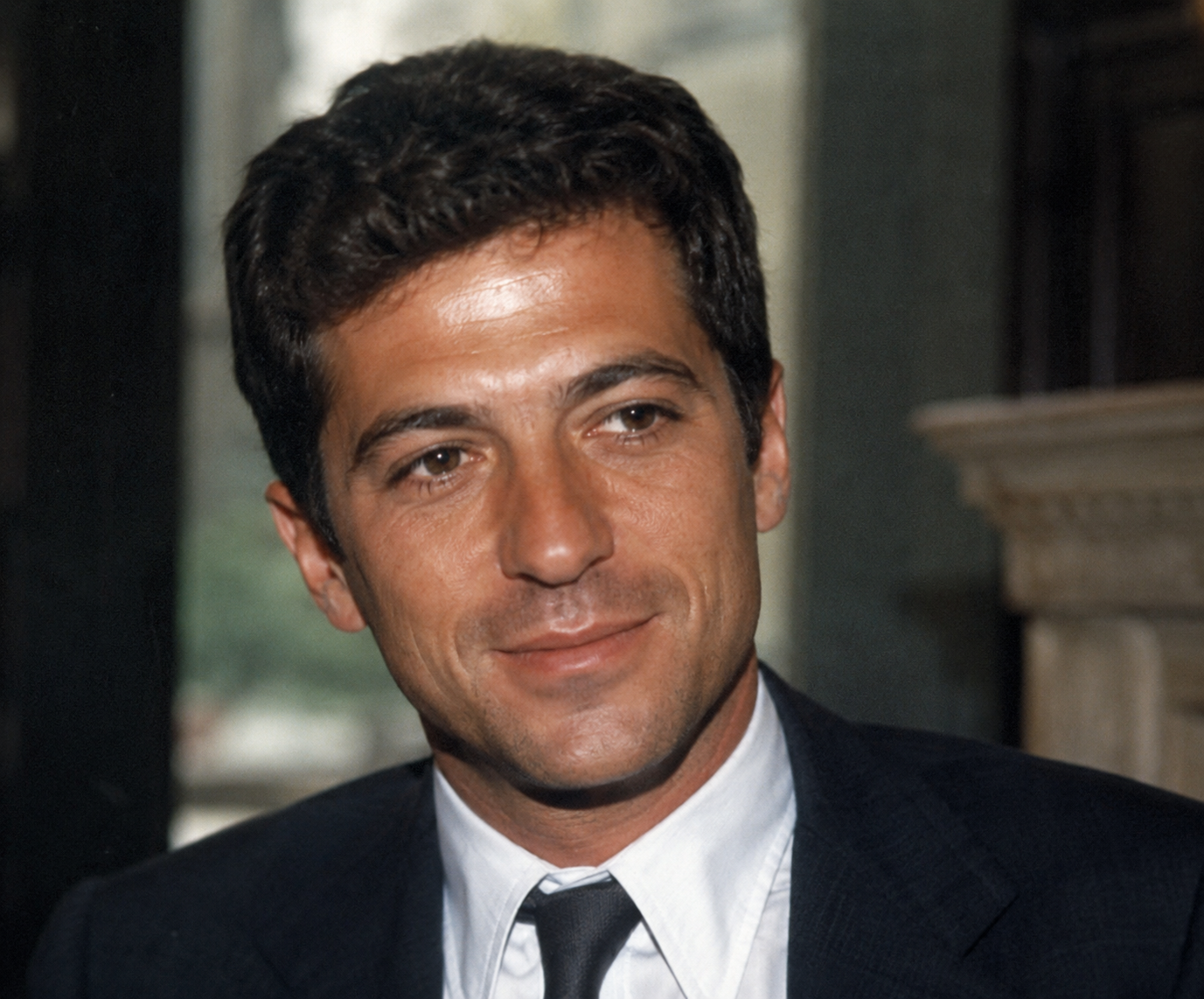

Kurt Perez Blacklist: How One Writer Shaped NBC’s Thrilling Crime Drama
When fans dissect the shadowy brilliance of NBC’s long-running crime drama The Blacklist, certain names behind the scenes deserve as much recognition as Raymond Reddington himself. Among those creative forces is Kurt Perez, a writer whose episodes have delivered some of the most tightly wound conspiracies, emotional gut punches, and morally complex dilemmas in the series. Understanding the kurt perez blacklist connection offers a fresh lens through which to appreciate how the show maintains its grip on audiences season after season.
The world of The Blacklist thrives on deception, layered loyalties, and high-stakes procedural action wrapped in serialized mythology. Kurt Perez stepped into that pressure cooker and carved out a distinct voice. His work balances explosive set pieces with quiet character beats, ensuring that every double cross lands with maximum impact. For viewers who crave deeper insight into who shapes the show’s direction, exploring the kurt perez blacklist partnership reveals exactly how great television writing transforms a good episode into an unforgettable one.
Who Is Kurt Perez and What Is His Role on The Blacklist
Kurt Perez is a television writer and producer who joined The Blacklist writers’ room during its middle seasons, a period when the show faced the challenge of keeping its central mythology fresh without alienating longtime fans. His background includes work on other procedurals and dramas, but his tenure on The Blacklist stands out because of how he weaponized dialogue and subtext. Perez specializes in episodes where what a character does not say matters more than their spoken words.
Within the kurt perez blacklist framework, his role extended beyond drafting teleplays. He contributed to season-long arc planning, helped refine Reddington’s cryptic monologues, and ensured that the task force’s procedural beats never overshadowed the emotional stakes. Perez understood early that The Blacklist works best when the audience feels as manipulated as the characters on screen. His episodes often feature smaller, more intimate moments of betrayal that ripple outward into larger conspiracies.
Signature Storytelling Techniques in Kurt Perez Blacklist Episodes
One of the most recognizable hallmarks of a kurt perez blacklist episode is the delayed reveal. Unlike writers who rely on a single explosive twist, Perez layers multiple smaller surprises that recontextualize everything the viewer has just watched. An early scene that seemed like throwaway exposition suddenly becomes the key to understanding a character’s secret motive. This technique rewards attentive viewers while keeping casual audiences engaged through pure momentum.
Perez also favors moral ambiguity over clear heroes and villains. In his episodes, even the blacklister of the week often operates from a twisted but understandable logic. Task force members face choices that lack a clean ethical answer. This approach aligns perfectly with The Blacklist central theme: that redemption and damnation are often two sides of the same coin. The kurt perez blacklist writing style refuses to let viewers feel comfortable cheering for anyone without reservation.

Key Episodes Written or Co-Written by Kurt Perez
Several standout episodes bear the creative fingerprints of Kurt Perez, each demonstrating his ability to juggle mythology, character development, and procedural tension. While The Blacklist has cycled through many writers, Perez’s contributions appear during critically important moments when the show needed to pivot or heighten existing conflicts. His episodes often serve as fulcrums upon which entire half-seasons turn.
| Episode Title | Season & Episode | Central Theme | Perez Signature Element |
|---|---|---|---|
| The Corsican | Season 6, Episode 12 | Political assassination and loyalty tests | Slow-burn conspiracy reveal over three acts |
| Olivia Olson | Season 7, Episode 8 | Identity theft and domestic espionage | Emotional confrontation without clear villain |
| The Harem | Season 8, Episode 14 | Female-led criminal network | Moral compromise framed as survival strategy |
| The Chairman | Season 9, Episode 5 | Corporate sabotage and paternal legacy | Flashbacks used to reframe present motives |
In each of these episodes, the kurt perez blacklist approach creates a distinct rhythm. The Corsican, for example, opens with a seemingly straightforward hit contract but gradually reveals that every character is being played against their own interests. By the final act, the audience realizes the blacklister was never the true antagonist. That structural sophistication separates Perez’s work from more formulaic procedural entries.
The Art of the Twist: How Perez Builds Unforgettable Turns
Twists on The Blacklist can sometimes feel expected after nine seasons, but Kurt Perez consistently finds fresh angles. He builds his surprises not from withheld information but from carefully planted misunderstandings. A character might act suspiciously for eight pages of script, only for Perez to reveal that their paranoia was entirely justified. The twist becomes not “I didn’t see that coming” but “I should have seen that coming because the clues were always there.”
This approach requires meticulous pacing. In a typical kurt perez blacklist episode, the first ten minutes establish a comfortable pattern. The task force receives a case. Reddington offers cryptic guidance. A suspect emerges. Then Perez introduces one small contradiction — a date that does not line up, an alibi that feels too perfect — and the entire structure begins to crack. By the time the full truth emerges, the viewer has been actively theorizing alongside the characters, which makes the resolution far more satisfying.
“The best episodes of television lie to you in plain sight. You think you are watching one story, but if you pay attention, you were always watching another. That is the game I love to play.” — Kurt Perez, from a 2021 virtual writers’ panel
Comparing Kurt Perez’s Style to Other Blacklist Writers
Every The Blacklist writer brings a unique energy to the room. Some prioritize Reddington’s poetic monologues. Others excel at high-octane action sequences. Kurt Perez distinguishes himself through psychological density. His scripts spend less time on car chases and more time on interrogation scenes where two characters verbally circle each other for five minutes before one finally draws blood. The kurt perez blacklist signature is the conversation that doubles as a chess match.
Compared to longtime showrunner Jon Bokenkamp, who favored grand mythological swings, Perez operates at a more granular level. He builds tension through small betrayals: a partner who withholds one critical detail, a handler who misdirects an asset for “their own good.” These micro-twists accumulate until they explode into larger consequences. This style keeps the show grounded even when the premise veers toward the absurd, giving viewers emotional anchors they can trust.

The Importance of Character Consistency in Perez’s Work
One frequent criticism of long-running thrillers is that characters change motivations to serve plot convenience. Kurt Perez actively fights against this tendency. Before writing any scene, he reportedly asks a simple question: what would this character never do? By defining those limits, he ensures that even shocking betrayals feel earned. In his episodes, when a trusted ally breaks bad, the audience can trace the breadcrumbs of resentment or fear that led to that moment.
The kurt perez blacklist approach treats each task force member as a person with consistent psychological wounds. Aram’s idealism, Ressler’s rigid morality, and even Dembe’s quiet wisdom all face tests tailored to their specific vulnerabilities. Perez never forces a character to act out of type just to generate drama. Instead, he puts them in situations where their natural instincts become liabilities. That internal conflict generates more tension than any external explosion ever could.
How Kurt Perez Handles Reddington’s Mythology
Raymond Reddington remains the gravitational center of The Blacklist, and writing for him requires special care. Kurt Perez avoids overusing Reddington as a deus ex machina. Instead, his scripts show Reddington’s limitations. In a kurt perez blacklist episode, Reddington may misread a situation, underestimate an enemy, or find himself genuinely outmaneuvered. These moments of vulnerability humanize a character who could otherwise become cartoonishly omniscient.
Perez also uses Reddington’s speeches more sparingly than some of his colleagues. When Reddington does deliver a monologue in a Perez script, it serves a precise narrative function: planting a clue, testing a listener’s loyalty, or revealing an unexpected emotional wound. The kurt perez blacklist episodes treat Reddington’s words as weapons, not ornaments. Every story he tells has a hidden blade, and Perez trusts the audience to notice the glint before it strikes.
Why the Kurt Perez Blacklist Collaboration Matters for Series Longevity
Shows that run past five seasons face a predictable enemy: formula fatigue. Viewers learn the rhythms. They anticipate the commercial-break cliffhangers. Kurt Perez fights that entropy by refusing to repeat himself. Each kurt perez blacklist episode experiments with a different structural template. One might unfold in near real-time. Another might use parallel timelines. A third might withhold the blacklister’s identity until the final scene, forcing the task force to solve a mystery without knowing who they are hunting.
This willingness to break format keeps The Blacklist from feeling stale. Perez treats each episode as a standalone puzzle within the larger serialized game. New viewers can jump into one of his episodes and follow the emotional logic even without full mythology knowledge. Longtime fans receive layered callbacks that reward their dedication. That dual accessibility is rare in prestige-adjacent network television, and it explains why the kurt perez blacklist episodes are often recommended as entry points for curious newcomers.
Common Misconceptions About Writing on a Long-Running Drama
A widespread industry misconception holds that writers on established shows simply follow a template. In reality, the kurt perez blacklist experience involves constant negotiation between what worked before and what feels fresh. Perez has discussed in interviews how the writers’ room maintains a “wall of shame” — story ideas that have been overused and are now off-limits. This discipline prevents the show from cannibalizing its own greatest hits.
Another misconception is that network dramas cannot be as sophisticated as streaming prestige series. Kurt Perez disproves that notion regularly. His episodes contain layered symbolism, Chekhov’s guns that pay off seasons later, and moral questions with no clean answers. The kurt perez blacklist body of work proves that constraints — commercial breaks, standard episode lengths, network standards — can actually sharpen creativity rather than limit it. Perez turns each restriction into an opportunity for clever structural thinking.
Lessons Aspiring Writers Can Learn from Kurt Perez
For screenwriters hoping to break into television, studying the kurt perez blacklist teleplays offers a masterclass in efficiency. Perez’s scripts rarely exceed fifty-two pages, yet they contain complete emotional arcs for multiple characters, a satisfying procedural mystery, and a larger mythological hook for future episodes. He achieves this density through ruthless editing. Every line of dialogue serves at least two purposes: advancing plot while revealing character.
Perez also demonstrates the value of writing toward actors’ strengths. His scripts include specific but not overdetermined action lines, giving performers room to find their own interpretations. The kurt perez blacklist pages trust the cast to sell the subtext without heavy-handed parentheticals. Aspiring writers should note how Perez uses silence, pauses, and visual storytelling. Some of his most powerful scenes contain no dialogue at all — just two characters realizing they have betrayed each other, conveyed entirely through eye contact and framing.
The Future of Kurt Perez and The Blacklist Franchise
As The Blacklist moves toward its eventual conclusion, the question of legacy looms. Kurt Perez has positioned himself as a writer who can handle both the intimate and the operatic. Industry insiders suggest he may be developing his own original projects while remaining open to future involvement in potential Blacklist spinoffs or continuation series. The kurt perez blacklist chapter is far from closed.
Regardless of what comes next, Perez has already secured his place in the show’s history. His episodes continue to rank highly in fan polls and critical retrospectives. Streaming data shows that new viewers seeking guidance often start with his episodes before backtracking to earlier seasons. That organic word-of-mouth recommendation is the highest praise a television writer can receive. The kurt perez blacklist partnership demonstrates how one creative voice can elevate an entire series without overshadowing its ensemble nature.
Conclusion
Kurt Perez represents everything that works best about The Blacklist: intelligence, emotional complexity, and a relentless commitment to surprising the audience without cheating them. His episodes reward rewatching, support close reading, and function as both standalone thrillers and essential mythology chapters. For fans who thought they had seen everything the show could do, the kurt perez blacklist catalog offers fresh evidence of the series’ creative resilience.
Understanding Perez’s contributions also enriches how viewers watch the show moving forward. Once you recognize his signature techniques — the delayed reveal, the character-driven twist, the conversation that is actually a chess match — you start noticing similar strategies in episodes written by others. Great writers do not just produce great work. They raise the standards of everyone around them. That lasting influence is the truest measure of the kurt perez blacklist legacy.
FAQ
What is the best Kurt Perez Blacklist episode to start with?
The Corsican from Season 6 is widely considered the most accessible entry point for the kurt perez blacklist style. It requires minimal backstory, showcases his structural ingenuity, and delivers a twist that redefines the entire episode’s meaning. Many fans recommend it as a standalone thriller even for viewers who have never watched another episode.
How many episodes of The Blacklist did Kurt Perez write?
Kurt Perez wrote or co-wrote approximately seven episodes across Seasons 6 through 9, with additional contributions to story breaks and uncredited script polishes on several other episodes. The kurt perez blacklist output may seem modest in quantity, but each episode carries significant weight in the show’s mythology.
Does Kurt Perez have a favorite character to write?
In interviews, Perez has expressed particular fondness for writing Aram Mojtabai, the task force’s tech specialist, because Aram’s moral struggles allow for nuanced dialogue. The kurt perez blacklist scripts often give Aram the most emotionally complex scenes, using his kindness as a dramatic vulnerability rather than a simple heroic trait.
Is Kurt Perez still writing for The Blacklist?
As of the most recent seasons, Perez has moved on to develop original projects but remains on good terms with the production team. The kurt perez blacklist collaboration officially concluded after Season 9, though his influence remains visible in the show’s continued emphasis on character-driven twists.
Why do fans consider Kurt Perez episodes special?
Fans consistently praise the kurt perez blacklist episodes for their replay value. Unlike more straightforward procedural entries, Perez’s scripts contain hidden clues and foreshadowing that only become obvious on a second viewing. This layering transforms each episode from disposable entertainment into a puzzle box worth solving multiple times.